
Updated on: April 5, 2026
Finding the perfect outfit for your next celebration can be challenging, but party dresses offer versatile solutions for every occasion. This guide explores how to choose flattering styles, avoid common mistakes, and maximize your wardrobe investment. Learn insider tips to look confident and feel amazing at any event, whether you're attending an intimate gathering or a large celebration.
Table of Contents
- Common Mistakes to Avoid
- Pros & Cons Analysis
- Quick Tips for Success
- Wrap-Up & Key Insights
- Frequently Asked Questions
Elevate Your Celebration Style with the Right Party Dress
Special occasions deserve special outfits. Whether you are attending a wedding, birthday celebration, anniversary dinner, or holiday gathering, selecting the ideal party dress can transform how you feel about yourself. The right choice boosts confidence, flatters your silhouette, and ensures you make a memorable impression. However, many people struggle to find dresses that combine comfort, style, and appropriate formality levels for their events. This guide addresses those challenges and provides practical solutions to help you navigate the world of celebration wear with ease and sophistication.
Party dresses come in countless styles, fabrics, and lengths. The diversity means there is something for everyone, regardless of body type, personal preference, or occasion type. Understanding how to evaluate options and make informed choices transforms your shopping experience from overwhelming to enjoyable.
Common Mistakes to Avoid When Selecting Party Dresses
Many people make predictable errors when shopping for celebration wear. Recognizing these mistakes helps you make smarter purchasing decisions and avoid regret.
Ignoring Your Body Type: Choosing styles that do not flatter your natural shape often results in discomfort and self-consciousness. Select cuts and silhouettes specifically designed to enhance your proportions. A-line skirts work beautifully for pear-shaped figures, while fitted styles showcase athletic builds. Empire waistlines suit many body types and create elegant movement.
Prioritizing Trends Over Timelessness: Following fleeting fashion trends means your dresses become outdated quickly. Invest in classic styles with timeless appeal. A simple black dress, a navy sheath, or an elegant jewel-toned gown never goes out of style and offers years of wear for multiple occasions.
Neglecting Comfort: A beautiful dress that causes pain or restriction ruins your entire experience. Prioritize fabric quality, proper sizing, and styles that allow movement. You should be able to sit, dance, and enjoy yourself without constant adjustment or discomfort.
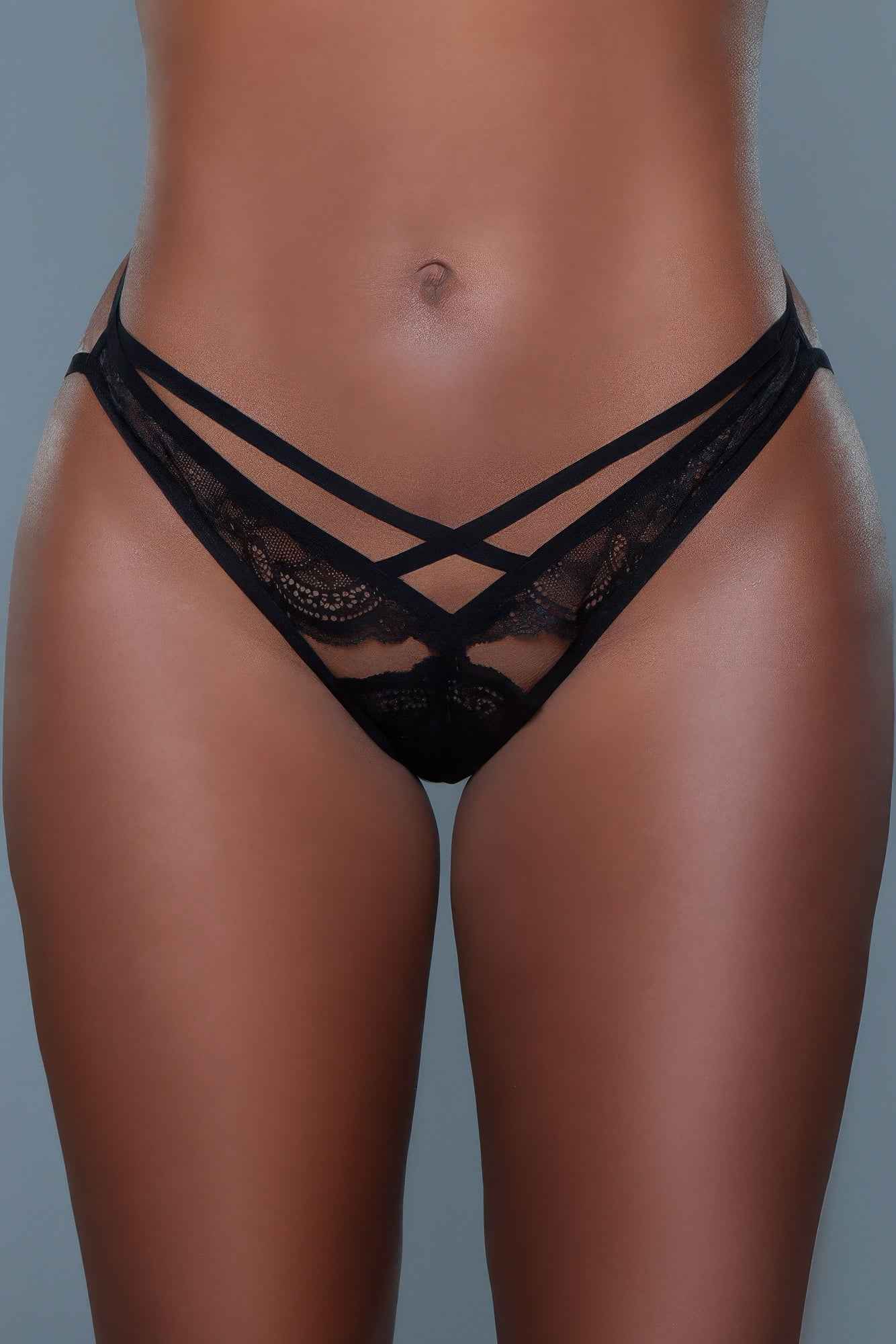
Overlooking Undergarments: The wrong foundation creates visible panty lines, bunching, or poor fit. Invest in quality shapewear and appropriate bras designed for your dress style. Seamless options and specialized solutions ensure a smooth, polished appearance under any fabric.
Forgetting About Occasion Formality: Wearing a casual sundress to a formal gala or an overly elaborate gown to a casual dinner party creates awkward mismatches. Research dress codes and select styles that match the event's expected formality level.

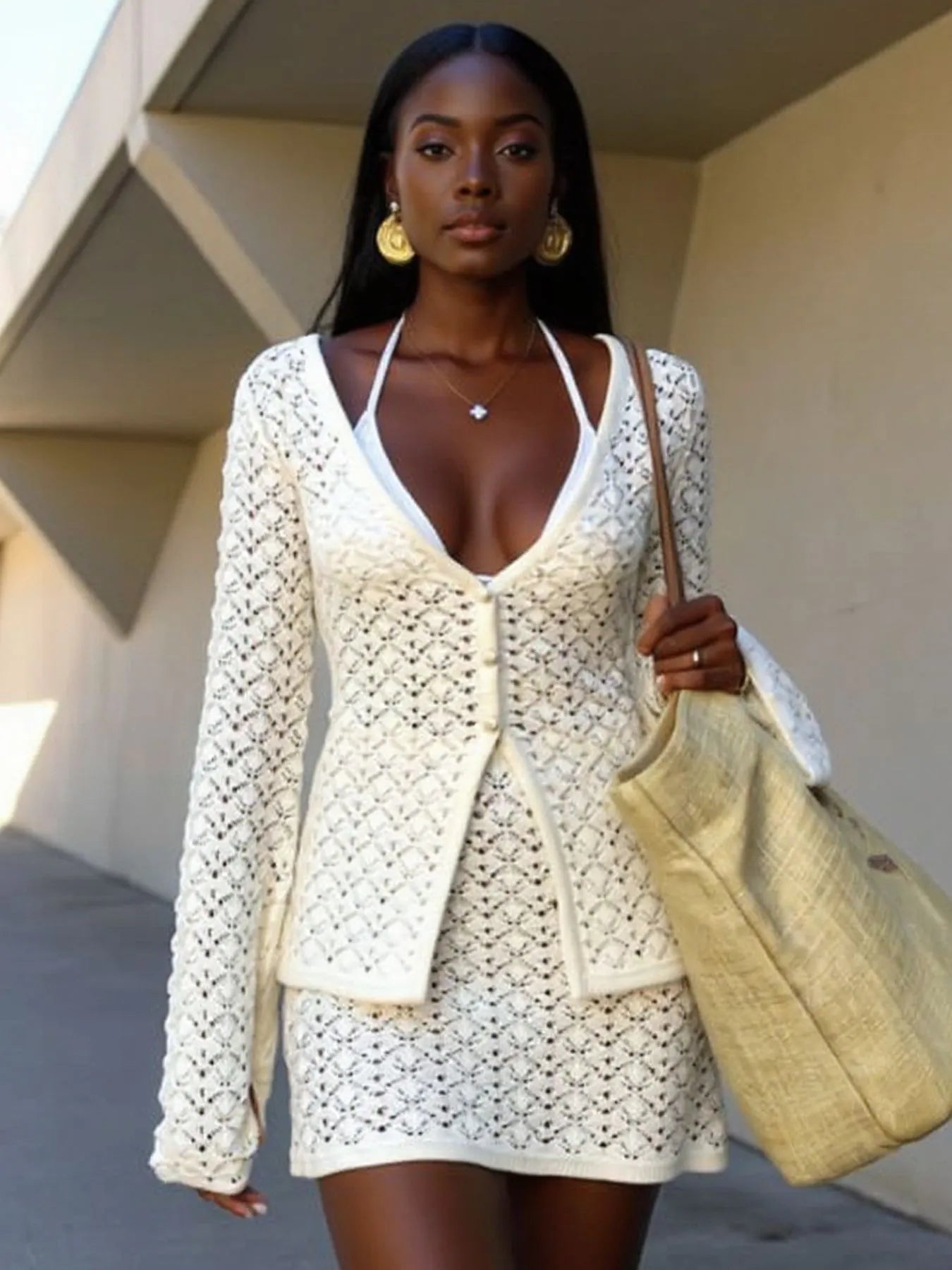
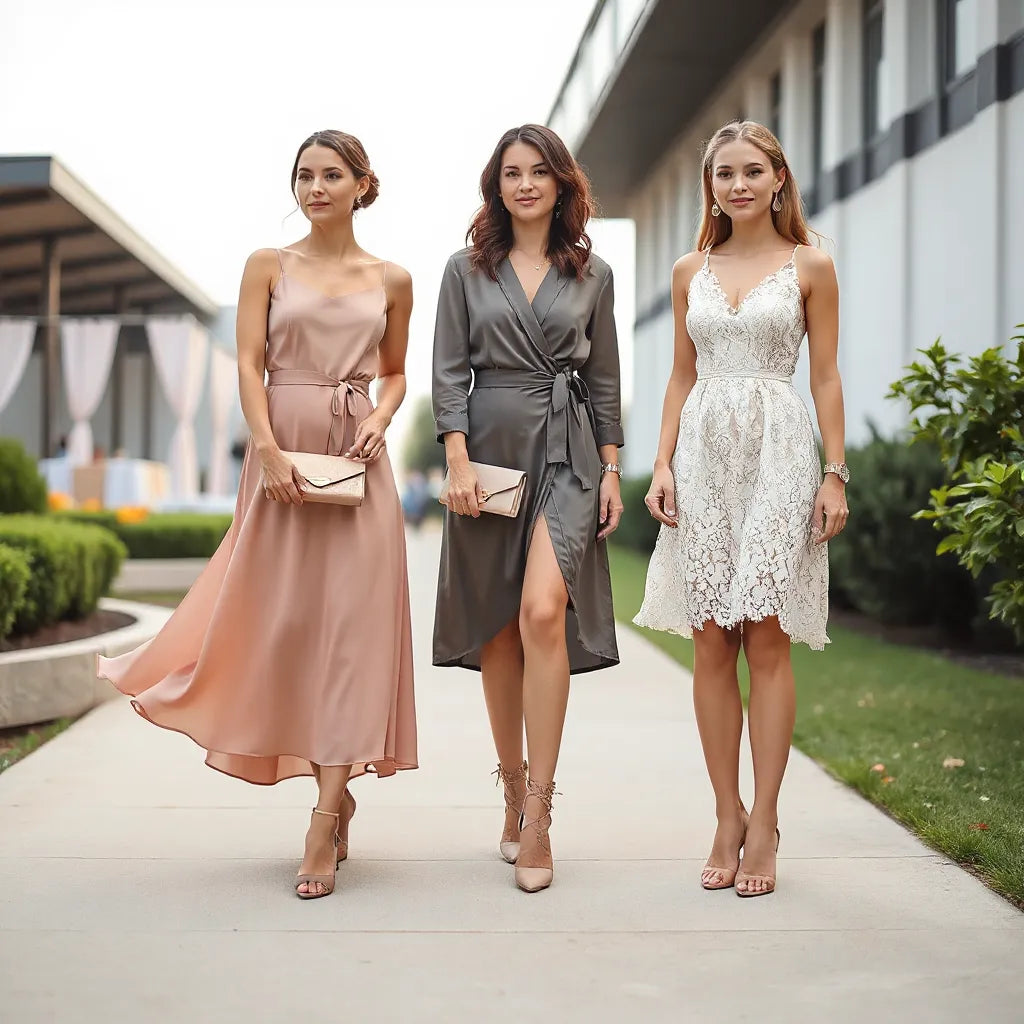
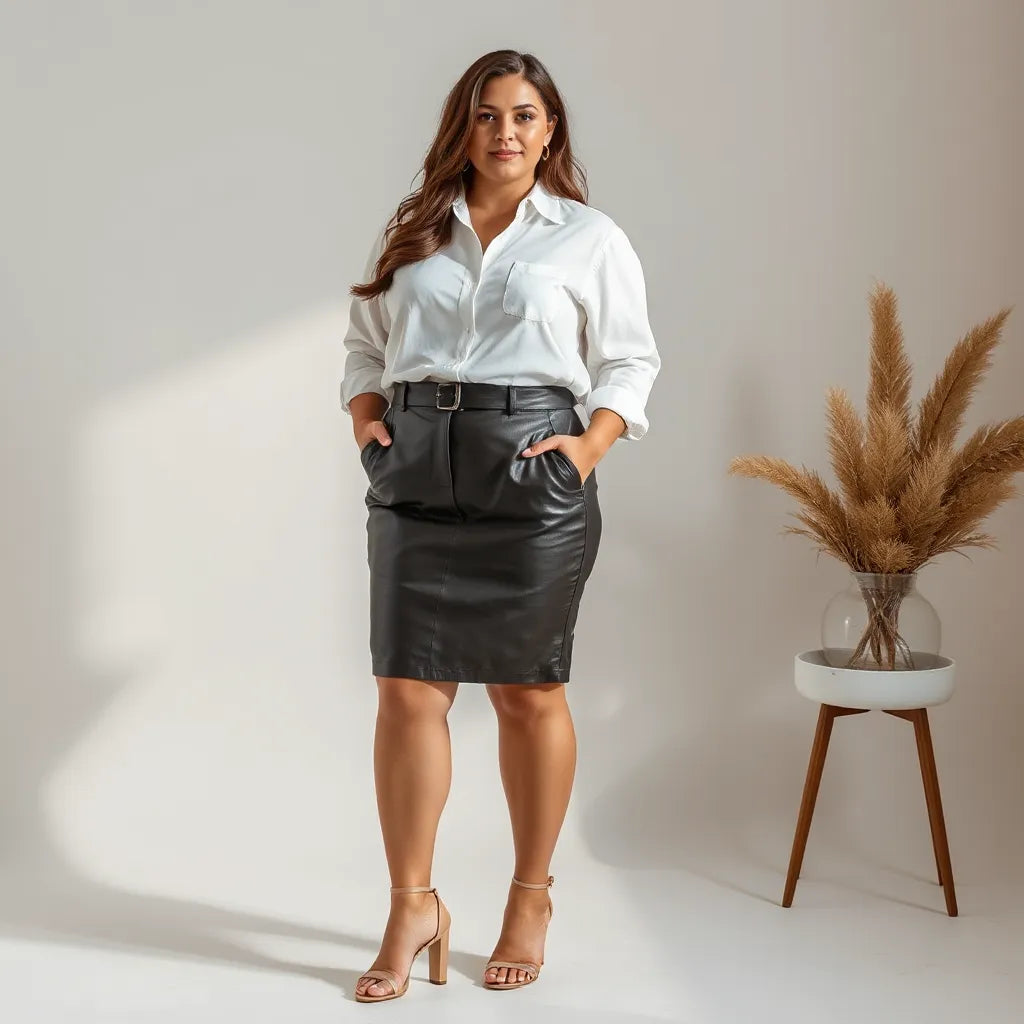
Diverse body shapes with complementary silhouettes and necklines highlighted elegantly.
Pros and Cons of Different Party Dress Styles
A-Line Dresses
- Pros: Flatters most body types, provides comfortable movement, creates elegant proportions, works for various formality levels
- Cons: May add volume to already full hips, limited shoe style options, less suitable for very casual events
Sheath Dresses
- Pros: Creates sleek, sophisticated appearance, highlights curves, versatile for multiple occasions, easy to accessorize
- Cons: Requires excellent fit for flattery, may feel restrictive, shows every bump and line, demands proper undergarments
Fit and Flare Styles
- Pros: Emphasizes waist, provides playful movement, flatters many figures, creates feminine silhouette, allows comfortable dancing
- Cons: May overwhelm petite frames, creates bulk at hip area for some body types, less formal for black-tie events
Maxi Dresses
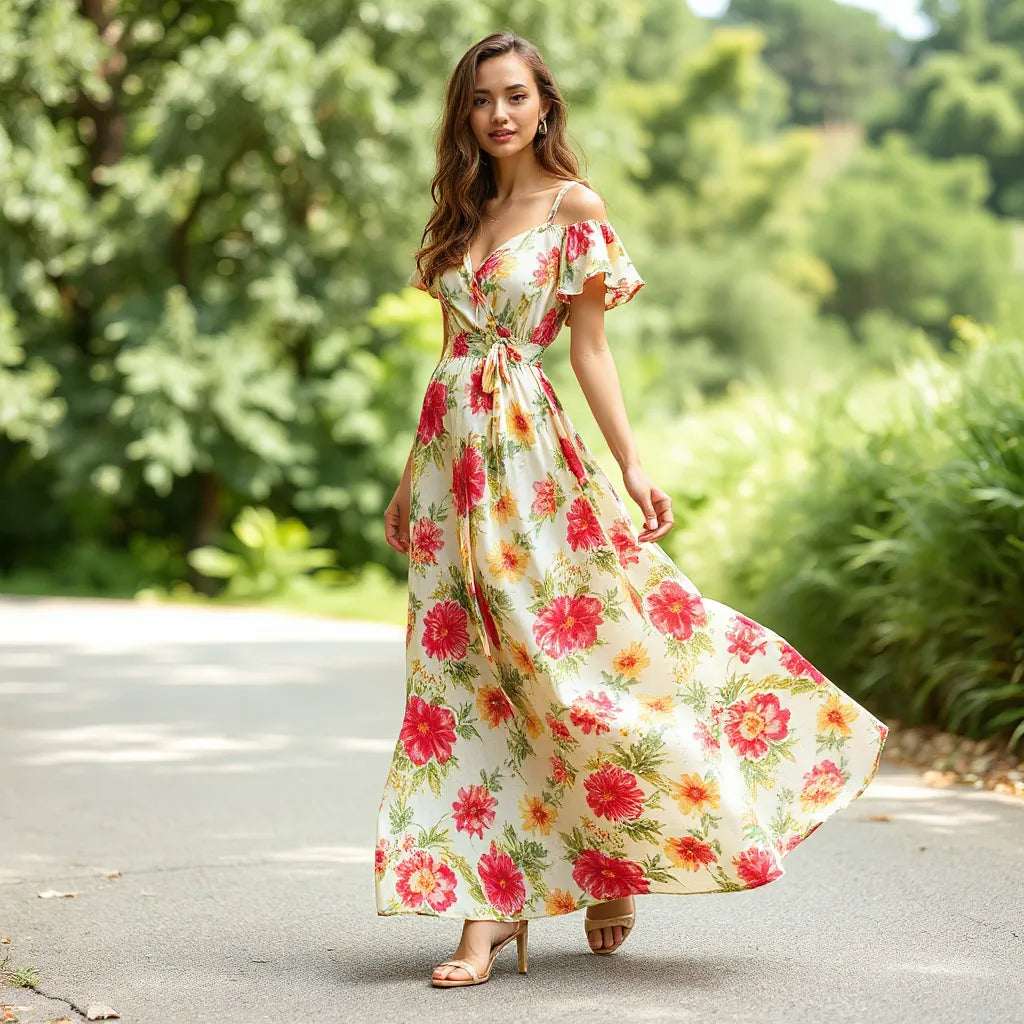
- Pros: Offers elegant formal option, provides coverage and comfort, works for various body shapes, creates sophisticated look
- Cons: Requires proper hemming for your height, limited movement options, shows every step pattern, can feel too formal for casual events
Wrap Dresses
- Pros: Incredibly flattering for all body types, provides easy fit adjustments, transitions from day to evening, comfortable and practical
- Cons: May come undone during activity, less structured appearance, requires adequate closure security, limited formal options
Quick Tips for Choosing the Perfect Celebration Wear
Know Your Measurements: Before shopping, measure your bust, waist, and hip areas. Compare these to size charts provided by retailers. Proper measurements ensure better fit without excessive alterations.
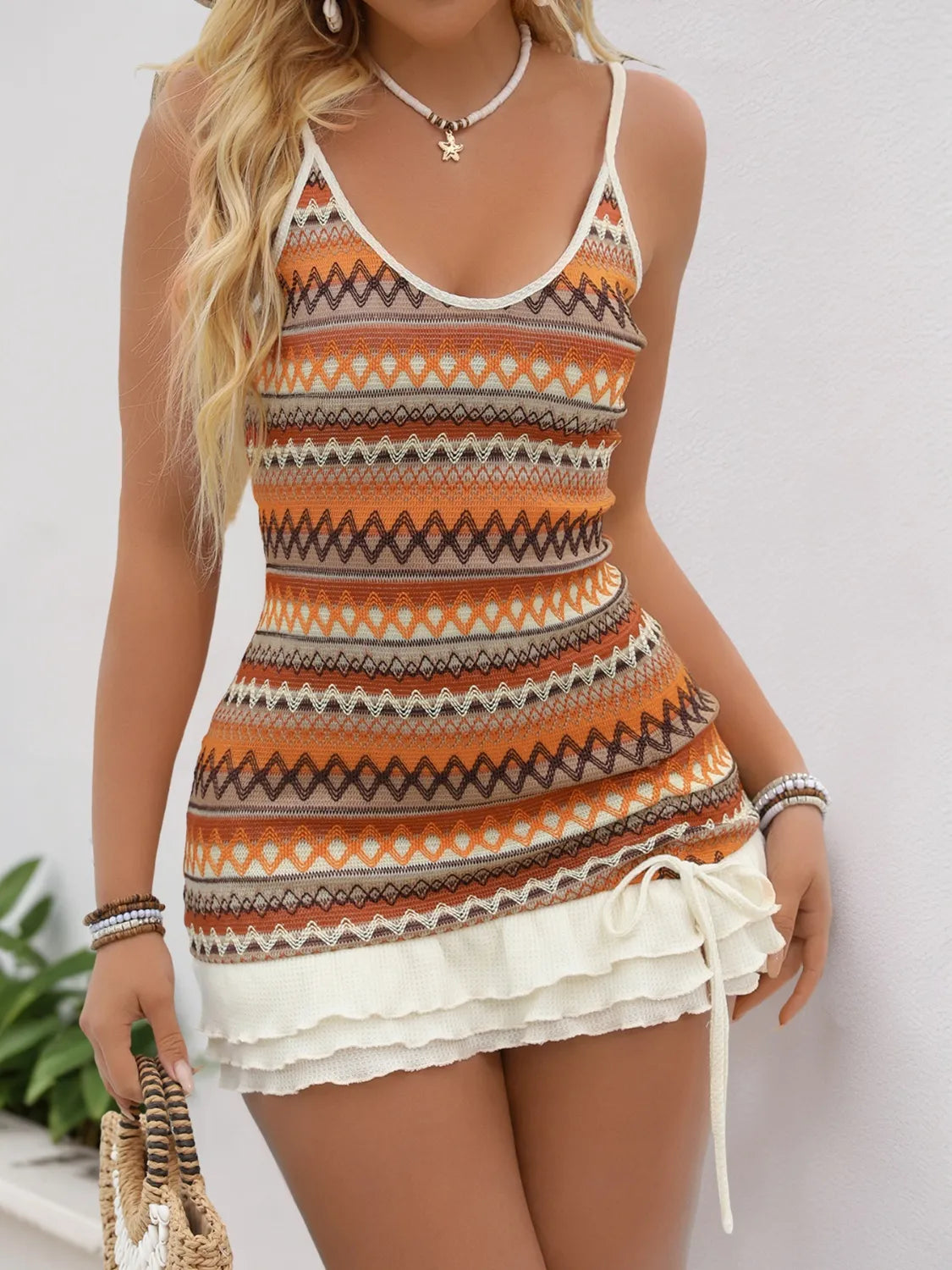
Consider the Venue: Indoor formal events allow different styles than outdoor casual celebrations. Think about lighting, temperature, and expected activity levels. A garden party dress differs significantly from a ballroom gown.
Test the Fit in Store: Always try dresses on before purchasing. Sit down, raise your arms, and move around to ensure comfort and proper coverage. What looks good on a hanger may feel different on your body.
Invest in Quality Basics: One or two excellent neutral party dresses in your closet provide endless outfit possibilities. A black dress and a navy option are essential wardrobe foundations that work for countless events.
Accessorize Thoughtfully: The right accessories elevate simple dresses into stunning outfits. Consider jewelry, shoes, bags, and wraps that complement your chosen style without overwhelming it.
Practice Layering Options: Jackets, shawls, and cardigans extend versatility and work for temperature control. Lightweight layering pieces create different looks from the same dress.
Pay Attention to Fabric Quality: Premium fabrics drape better, feel more comfortable against skin, and maintain their appearance longer. Natural fibers often outperform synthetic blends for party occasions.
Plan Your Shoes Early: Shoe choice affects how a dress looks and feels. Select footwear that complements your style and allows comfortable standing and dancing throughout your event.

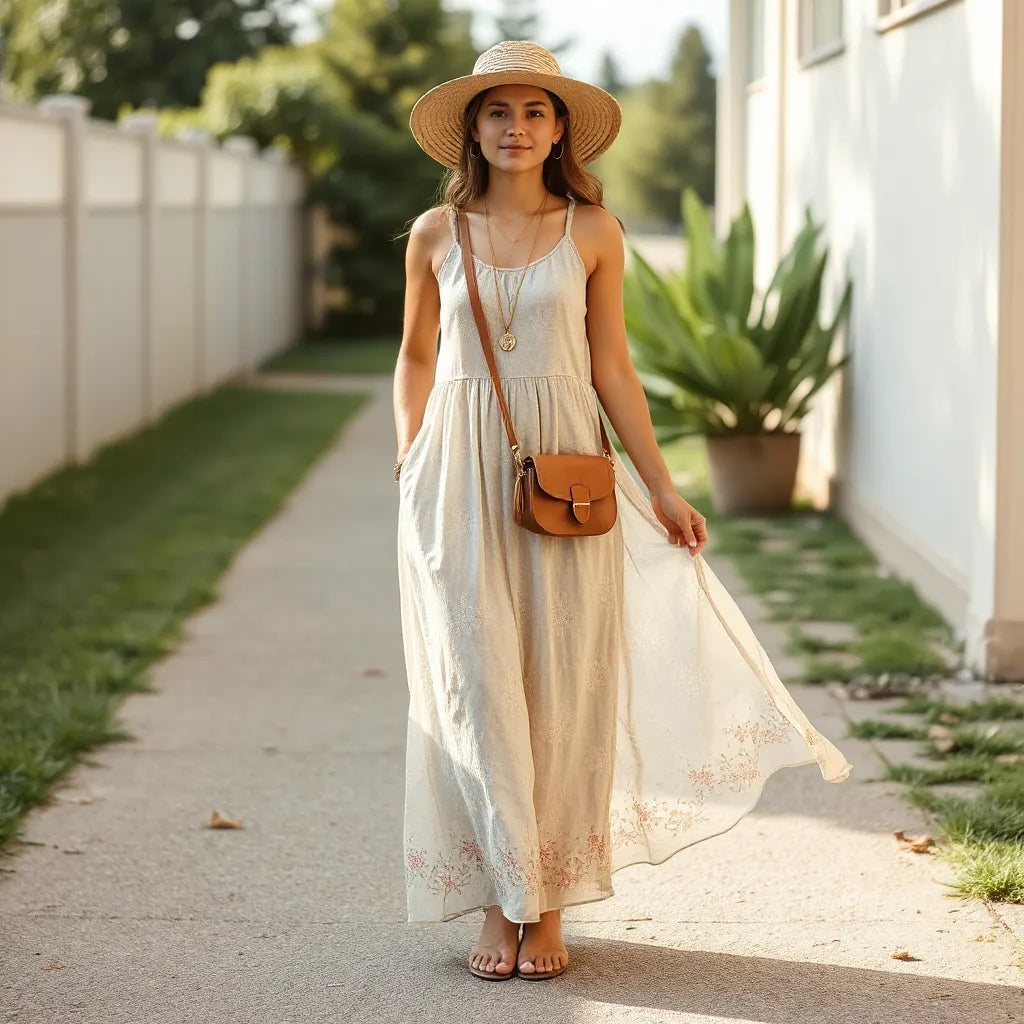
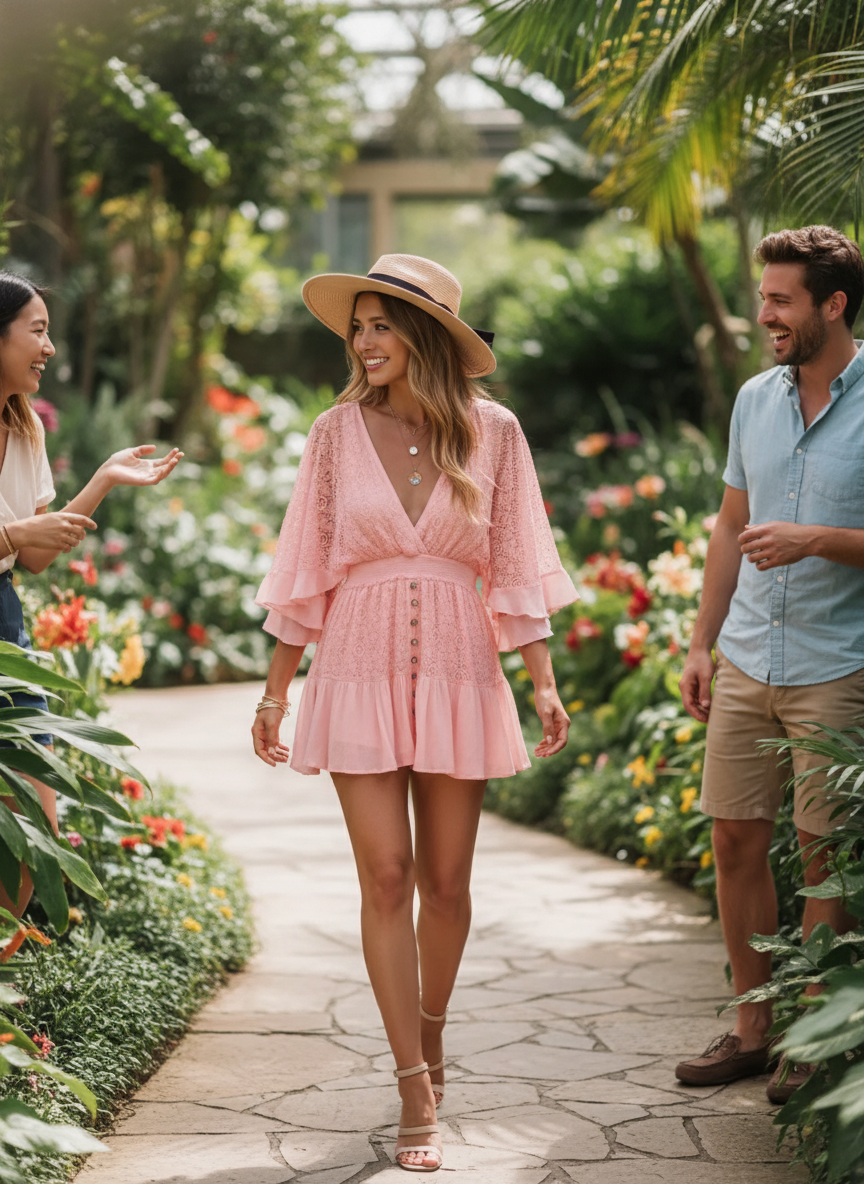
Styling techniques showing layering, accessorizing, and shoe coordination with celebration outfits.
Wrap-Up & Key Insights
Selecting the perfect party dress involves understanding your body, knowing your style preferences, and matching formality levels to occasions. Party dresses offer incredible versatility when you approach selection with intention and knowledge. The key is finding pieces that make you feel confident, comfortable, and genuinely beautiful.
Invest in quality basics that you can wear repeatedly and accessorize differently for various events. Remember that the best dress is one that makes you feel like yourself, enhanced rather than constrained. Trust your instincts, prioritize comfort alongside style, and do not hesitate to try different options until you discover what truly works for your unique figure and taste.
Building a celebration wardrobe is an ongoing process. Start with foundational pieces and gradually add styles that reflect your personality and meet your lifestyle needs. With the guidance provided in this article, you can confidently navigate shopping for celebration wear and create a versatile collection that serves you well for years to come.
Frequently Asked Questions
What is the most flattering party dress style for pear-shaped bodies?
A-line dresses and styles with embellishment or interest at the neckline and upper body work beautifully for pear-shaped figures. These designs draw attention upward while the widening skirt balances fuller hips and thighs. Avoid styles that gather or bunch at the hip area. Wrap dresses also provide excellent flattery by creating defined waistlines and allowing fit adjustments as needed.
How should I choose between short and long party dresses?
Short dresses work well for daytime events, casual celebrations, and occasions allowing playful style expression. Long dresses suit formal events, evening celebrations, and occasions requiring sophisticated elegance. Consider the venue, time of day, dress code, and your comfort level. Many people feel more confident in longer styles, while others prefer the freedom of movement offered by shorter lengths. Choose what makes you feel genuinely beautiful and appropriate for your specific event.
What accessories work best with simple party dresses?
Simple, solid-colored dresses pair beautifully with statement jewelry, interesting shoes, or eye-catching bags. Bold earrings, layered necklaces, or distinctive bracelets elevate basic styles without overwhelming them. Metallic shoes, patterned heels, or textured clutches add visual interest. Scarves and wraps in complementary colors introduce texture and sophistication. The key is using accessories to express personality while maintaining overall balance and avoiding clutter.
How can I make a party dress work for multiple occasions?
Neutral-colored dresses in classic styles transition easily between occasions with different accessories and layering pieces. A black or navy dress works for casual, business, and formal settings depending on shoes, jewelry, and wraps you choose. Complementary cardigans or jackets transform dresses from evening wear to daytime appropriate options. This strategy maximizes your wardrobe investment and reduces the number of pieces you need to own.
What should I wear under a sheer or transparent party dress?
Quality shapewear designed for sheer fabrics prevents visible panty lines and provides smooth lines under transparent sections. Nude or color-matched slip dresses create seamless foundations. Some party dresses feature built-in undergarments for convenience. Specialized foundation garments with body-shaping properties offer both support and smoothness. Always test your undergarments under your specific dress to ensure they remain invisible and comfortable throughout your event.
How do I determine the right dress length for my height?
Shorter women often feel more proportional in knee-length or midi dresses rather than full-length maxi styles. Taller women can wear any length, though very short dresses may feel less formal on taller frames. Personal preference matters significantly. Visit a tailor to hem dresses to your ideal length, as proper hemming dramatically impacts appearance and comfort. Stand in the dress and check where hemlines fall relative to your body proportions before making final alterations.


We are creating Fun and informational content for the Fashion Industry!