
Updated on: January 19, 2026
Understanding the fundamentals of women's clothing styles can help you build a wardrobe that truly reflects your personality and lifestyle. This guide explores essential principles for selecting outfits that enhance your confidence and comfort. Learn about common pitfalls to avoid, practical styling tips, and insights into creating a versatile collection. Whether you're refreshing your closet or discovering new preferences, these thoughtful suggestions will guide your journey toward a more intentional approach to personal style.
Table of Contents
- Common Mistakes to Avoid
- Pros and Cons Analysis
- Quick Tips for Better Choices
- Wrap-Up and Key Insights
- Questions and Answers
Introduction to Modern Women's Apparel
Building a thoughtful wardrobe is one of the most meaningful ways to express yourself through clothing. Women's fashion today offers incredible diversity, allowing you to celebrate your individuality while feeling comfortable and confident. However, the abundance of choices can sometimes feel overwhelming, especially when you're trying to establish a personal style that truly works for you.
This guide is designed to help you navigate the world of contemporary women's apparel with greater ease and intentionality. We'll explore common challenges that many people face, examine the advantages and disadvantages of different approaches, and share practical suggestions to help you make choices that align with your values and lifestyle. Whether you're interested in casual everyday pieces or special occasion outfits, these insights will support your journey toward a wardrobe that feels authentically yours.
The key to developing a confident personal style is understanding what works for your body type, lifestyle, and preferences. Rather than following trends blindly, learning to evaluate your options thoughtfully will help you invest in pieces that bring genuine joy and utility to your daily life.
Common Mistakes to Avoid
When building a contemporary wardrobe, many people encounter similar challenges. Being aware of these common pitfalls can help you make more intentional decisions moving forward.
Ignoring Personal Comfort
One of the most frequent mistakes is prioritizing appearance over comfort. While it's wonderful to feel visually put-together, clothing should support your movement and make you feel at ease throughout your day. Garments that restrict movement, cause irritation, or require constant adjustment will likely remain unworn, regardless of how beautiful they are. Consider how each piece makes you feel physically, not just aesthetically.
Following Trends Without Consideration
Trends come and go rapidly in women's fashion, and chasing every trend can lead to a closet full of pieces you wear rarely. Rather than adopting trends wholesale, consider which trends genuinely appeal to you and align with your existing style. This selective approach helps ensure that trend pieces complement your core wardrobe rather than dominate it.
Neglecting Fit and Quality
Purchasing items without trying them on or without understanding fabric quality is a common oversight. Proper fit transforms how clothing looks on your body and affects how often you'll wear it. Similarly, investing in quality materials and construction means your garments will last longer and maintain their appearance through repeated wear and washing.
Overcomplicated Closet Organization
Many people struggle with overstuffed closets where favorite pieces are hidden among rarely-worn items. Taking time to assess what you actually wear and removing pieces that no longer serve you creates a more functional wardrobe. A thoughtfully curated collection is far more useful than a large collection with many forgotten pieces.
Pros and Cons Analysis
Understanding the advantages and disadvantages of different approaches to building your wardrobe will help you make choices that align with your priorities.
Fast Fashion Approach
- Pros: Affordable pricing allows exploration of different styles; frequent new inventory keeps options current; lower financial risk when experimenting with trends
- Cons: Lower quality often means garments wear out quickly; environmental impact of frequent purchases; pieces may not coordinate well with existing items; often encourages impulse buying rather than thoughtful curation
Investment Pieces Approach
- Pros: Higher quality materials mean garments last longer; classic designs remain relevant across seasons; better value over time; encourages more thoughtful purchasing decisions
- Cons: Higher upfront costs can strain budgets; requires more planning before purchase; less frequent acquisition means slower wardrobe development; may feel risky when trying new styles
Seasonal Refresh Approach
- Pros: Allows adaptation to changing weather and lifestyle needs; fresh perspective each season keeps style feeling current; space for experimental purchases alongside basics
- Cons: Requires regular budgeting and planning; storage space considerations for off-season items; may encourage unnecessary purchasing; pieces might not coordinate across seasons
Capsule Wardrobe Approach
- Pros: Simplified decision-making each morning; pieces coordinate well together; easier to travel with limited luggage; encourages quality over quantity; clear visibility of what you own
- Cons: Limited variety may feel restrictive; requires upfront time investment to plan properly; less flexibility for different occasions; may feel boring if you enjoy variety
Quick Tips for Better Choices
These practical suggestions can help you make more intentional decisions as you develop your personal style.
- Try Items On: When possible, try clothing on before purchasing to assess how it fits your body and makes you feel. Even small differences in sizing between brands matter significantly.
- Check Fabric Content: Reading labels helps you understand fabric composition, which affects comfort, durability, and care requirements. Natural fabrics often feel better against skin and age more gracefully.
- Consider Your Lifestyle: Honestly evaluate how much time you spend in professional settings, casual environments, and special occasions. Build your wardrobe to match your actual lifestyle, not an idealized version.
- Identify Your Colors: Understanding which colors complement your complexion helps you build a cohesive wardrobe where pieces coordinate naturally. This simplifies outfit creation and makes you feel more confident.
- Mix Price Points: Combining investment pieces with more affordable items creates a sustainable approach to building wardrobes. Invest in items you'll wear frequently; spend less on trend pieces.
- Assess Before Purchasing: Ask yourself whether a new item coordinates with at least three pieces you already own. This prevents purchasing isolated items that don't work with your existing collection.
- Visit essential collections: Exploring curated collections can inspire new combinations and help you discover versatile pieces that work well together.
- Care for Your Garments: Following care instructions, storing items properly, and addressing wear promptly extends the life of your clothing. Well-maintained pieces continue serving you beautifully for years.
- Take Your Time: Resist pressure to make immediate purchases. Waiting a day or two often clarifies whether you genuinely want an item or simply felt drawn to it in the moment.
- Explore accessory options: Accessories can completely transform outfits without requiring large purchases. Scarves, jewelry, and bags offer affordable ways to refresh your look.
Wrap-Up and Key Insights
Building a wardrobe that truly serves you is a personal journey that unfolds over time. Rather than seeking perfection, focus on making choices that enhance your comfort, confidence, and daily life. The most successful approach is one that aligns with your values, budget, and lifestyle.
Remember that your style preferences may evolve as you grow and experience new things. Remaining open to this evolution while maintaining core pieces that feel authentically you creates a dynamic yet cohesive wardrobe. Take time to notice which items you reach for repeatedly, and let these preferences guide future purchasing decisions.
Consider establishing a personal style checklist that reflects your priorities, whether that includes comfort, sustainability, timelessness, or trend awareness. Use this checklist when evaluating new pieces to ensure purchases align with your larger vision. We encourage you to explore our new arrivals section to discover pieces that resonate with your style preferences.
The path to a satisfying wardrobe is one of thoughtful intention and self-understanding. Take your time, be patient with yourself, and enjoy the process of discovering what truly works for you.
Questions and Answers
How can I determine my personal style if I feel uncertain about my preferences?
Begin by gathering inspiration from sources that genuinely appeal to you. Save images of outfits you admire, whether from social media, magazines, or real-life observations. Review these images to identify common patterns in colors, silhouettes, and overall aesthetics. Notice whether you're drawn to classic styles, experimental pieces, minimalist approaches, or bold self-expression. Consider how the outfits you admire make you feel emotionally, as authentic personal style should resonate with your values and personality.
What is the best budget approach for building a thoughtful wardrobe?
The ideal budget depends on your financial situation, lifestyle, and how frequently your needs change. Many experts suggest allocating a percentage of disposable income toward clothing while being intentional about spending. A balanced approach combines investment pieces in neutral colors with more affordable trend items. Track your spending for a few months to understand your current habits, then adjust based on your priorities. Remember that a smaller wardrobe of pieces you love often provides greater satisfaction and utility than a larger collection of items you rarely wear.
How often should I refresh or update my wardrobe?
Rather than following a rigid schedule, refresh your wardrobe based on actual need and lifestyle changes. If you've gained or lost weight, changed jobs, or relocated to a different climate, these transitions warrant wardrobe adjustments. Seasonal refreshes make sense for weather-appropriate clothing, though you need not purchase completely new pieces each season. The most sustainable approach involves periodically assessing what works, removing items that no longer serve you, and adding new pieces thoughtfully to fill genuine gaps.
Are investment pieces truly worth the higher cost?
Investment pieces can offer excellent value when you select items you'll genuinely wear frequently. Higher quality materials, better construction, and timeless designs mean these pieces remain wearable and attractive for many years. Calculating the cost-per-wear reveals that expensive items worn regularly often cost less per use than inexpensive items worn occasionally. The key is investing in pieces that align with your lifestyle and style preferences, ensuring you'll actually reach for them regularly.
How can I make sustainable choices when building my wardrobe?
Sustainability in wardrobing involves making choices that minimize environmental impact while serving your needs. Prioritizing quality and durability means garments stay in circulation longer. Choosing natural, responsibly-sourced materials reduces environmental burden. Shopping secondhand, exchanging items with friends, and caring for your clothing thoughtfully all extend the life of garments. When purchasing new pieces, consider the brand's practices and whether items coordinate with your existing wardrobe to maximize utility.
What should I do with clothing that no longer fits or appeals to me?
Before discarding items, consider several options. Clothing that's in good condition can be donated to charitable organizations, sold through consignment shops, or exchanged with friends. Some items might be altered by a tailor to improve fit or adjust style details. If pieces are worn or damaged beyond repair, check whether local facilities offer textile recycling. Being intentional about what happens to clothing you no longer wear extends the life of garments and reduces waste.
How can accessories help enhance a limited wardrobe?
Accessories are powerful tools for transforming outfits without requiring major purchases. The same neutral dress can appear completely different with various scarves, jewelry, belts, or shoes. Building a collection of versatile accessories in complementary colors allows infinite outfit combinations. Statement accessories add personality and visual interest, while classic accessories provide subtle sophistication. This approach maximizes the utility of your core wardrobe pieces while offering creative expression through smaller, more affordable items.
Should I purchase items based on trends, or focus on timeless pieces?
The most balanced approach combines both perspectives. Timeless pieces form the foundation of a functional wardrobe because they remain relevant and wearable across years and seasons. These classics should represent the majority of your wardrobe investment. Trend pieces can be incorporated thoughtfully when they genuinely appeal to you and coordinate with your existing items. Spending significantly less on trends compared to classics ensures that trends don't dominate your wardrobe, allowing you to explore styles without overcommitting financially.
How can I style pieces in multiple ways to increase outfit options?
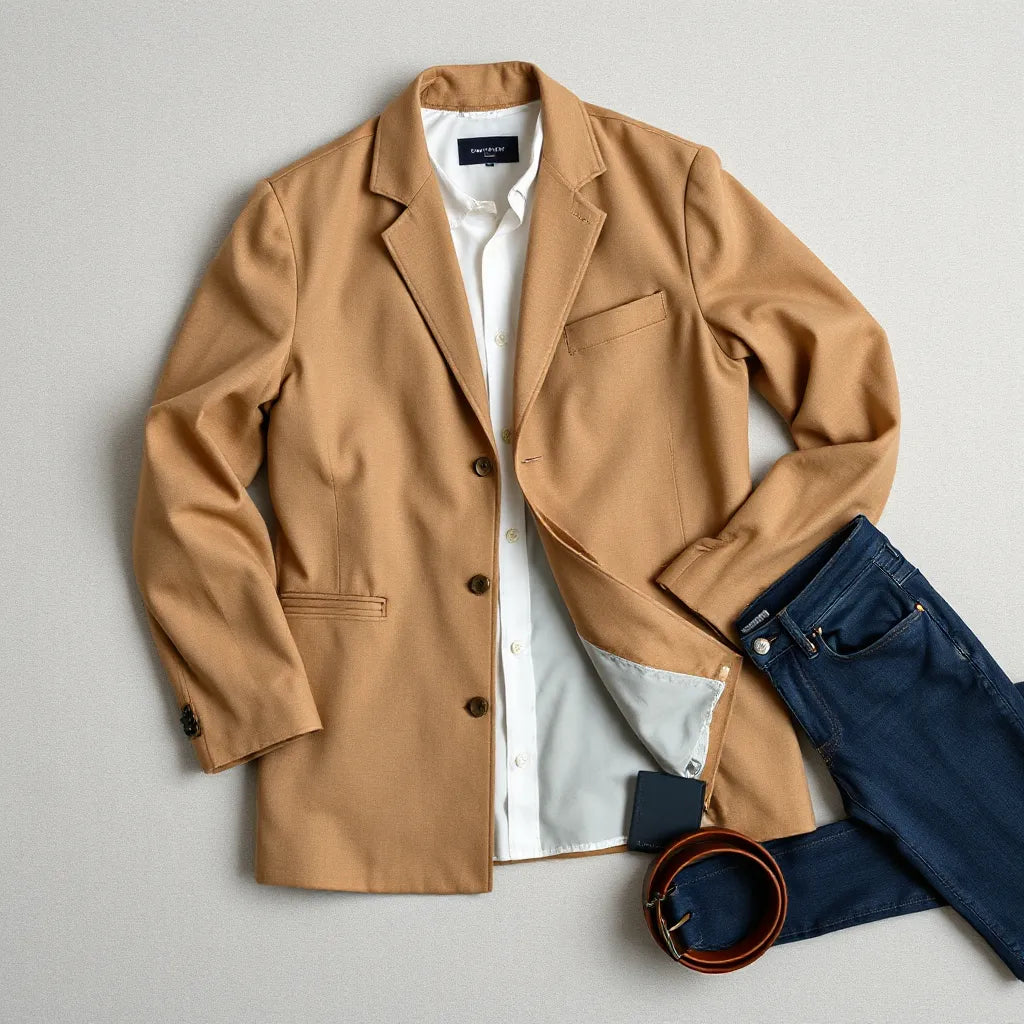
Versatile pieces are those that work in both casual and professional settings, or that pair well with different styles of other garments. A well-fitted neutral blazer works with casual jeans or formal trousers. Simple knit tops coordinate with numerous bottoms and layers. Scarves, belts, and jewelry transform the feeling of basic pieces. Considering how items can be styled differently before purchasing increases their ultimate utility. Keeping a visual record of outfit combinations helps you discover styling options you might otherwise overlook.
What role does body confidence play in developing personal style?
Body confidence significantly influences how you dress and how much you enjoy your wardrobe. Choosing pieces that fit well and flatter your body shape enhances confidence and encourages you to wear items more frequently. Understanding your body's proportions helps you select silhouettes that feel comfortable and look balanced. Rather than dressing according to external ideals, selecting pieces that make you feel good in your own body creates genuine style satisfaction. Building confidence is an ongoing journey that deepens as you develop a wardrobe aligned with your authentic self.
How can I avoid impulse purchasing and make more thoughtful wardrobe decisions?
Implementing waiting periods before purchases helps distinguish genuine desire from momentary impulse. Create a list of wardrobe gaps before shopping, referencing it to evaluate whether items address actual needs. Unsubscribe from marketing emails and mute social media accounts that encourage unnecessary shopping. Shopping with a specific purpose, such as replacing worn items or filling identified gaps, keeps you focused. Setting spending limits and tracking purchases reveals patterns in your habits. These practices support more intentional choices that align with your larger wardrobe vision.
What is the importance of proper clothing fit?
Proper fit dramatically impacts how clothing looks on your body and how often you'll actually wear pieces. Ill-fitting garments can be unflattering regardless of quality or design, while well-fitting pieces in modest materials often look more polished. Professional tailoring can adjust items to fit perfectly, transforming pieces you might otherwise avoid wearing. Understanding your measurements and trying items on whenever possible prevents purchasing mistakes. Investing in fit ensures that each piece in your wardrobe serves you beautifully.
How should I organize my closet for better functionality?
Organizing your closet intentionally makes it easier to see what you own and create outfits. Grouping items by category (tops, bottoms, dresses) or by color helps you locate pieces quickly. Removing items you don't wear creates space and improves visibility of pieces you love. Storing off-season items separately frees closet space while keeping them accessible. Hanging or folding items in ways that display them attractively encourages you to wear them. A functional closet organization system should feel intuitive and encourage regular use of your pieces.
What are some timeless pieces that everyone should consider having?
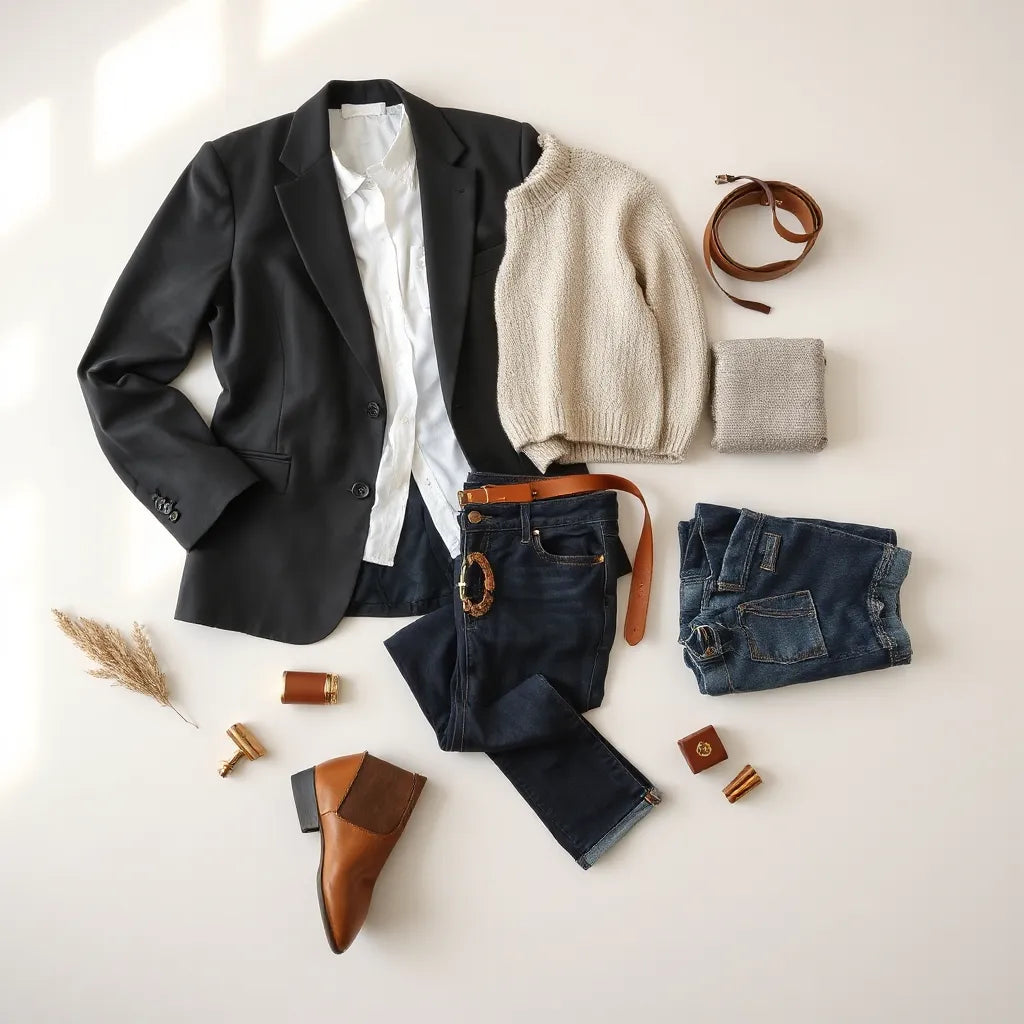
Building a foundation of timeless pieces provides versatile options for numerous occasions. A well-fitted white button-down shirt works with nearly everything from casual jeans to formal trousers. Dark, well-fitting jeans in classic cuts remain appropriate across years and seasons. Neutral blazers in navy, gray, or black add polish to casual pieces. Simple knit sweaters in neutral colors layer beautifully. Classic white or neutral sneakers offer comfort without sacrificing style. A structured handbag in a neutral color serves professional and casual contexts. These foundational pieces coordinate easily and serve as backdrops for more expressive accessories and trend pieces.
How can climate and lifestyle changes affect wardrobe planning?
Climate significantly influences what you need to wear, making location an important wardrobe consideration. Moving to a warmer climate requires lighter fabrics and reduced layering pieces, while colder locations necessitate heavier materials and outerwear. Lifestyle changes, such as beginning a more active life or transitioning to a formal workplace, require wardrobe adjustments. A job change might necessitate professional pieces you previously didn't need, while increasing physical activity might make comfortable athletic wear a priority. Assessing how your lifestyle will be spending time helps you build a wardrobe suited to your actual daily activities.
What is the value of a personal stylist or style consultation?
Professional style guidance can be valuable, particularly if you struggle with defining preferences or optimizing your existing wardrobe. Stylists help you understand your body proportions, identify flattering colors and silhouettes, and develop a cohesive wardrobe strategy. Many style consultations involve assessing your lifestyle, priorities, and budget to provide personalized recommendations. While professional services involve additional investment, many people find the clarity and confidence gained to be worthwhile. Even a single consultation can provide guidance you apply independently moving forward.
How can I express creativity through clothing while maintaining a functional wardrobe?
Creative self-expression and wardrobe functionality can coexist beautifully. Building a strong foundation of neutral, coordinating basics provides stability, while accessories and trend pieces offer outlets for creativity. Incorporating items in colors or patterns that appeal to you ensures your wardrobe reflects your personality. Experimenting with different silhouettes, textures, or styling approaches keeps your personal style dynamic. The key is balancing creative elements with functional basics, ensuring your wardrobe remains wearable while expressing your unique aesthetic.
What should I consider when shopping online versus in physical stores?
Online shopping offers convenience and broader selections, while physical stores provide opportunities to touch fabrics and try items on immediately. Online shopping works well when you know a brand's sizing and quality, or when purchasing basic items you're confident about. Physical shopping is valuable when exploring new brands, trying on items for fit, or assessing fabric quality firsthand. Many people benefit from a combination of both approaches. Understanding return policies and shipping costs helps online shopping feel less risky. Reading detailed product descriptions and viewing multiple photos improves online purchasing confidence.
How often should I assess and edit my wardrobe?
Regular wardrobe assessments help you recognize what serves you and what takes up unnecessary space. Many experts suggest reviewing your wardrobe seasonally, removing items you haven't worn and noting gaps. Others prefer quarterly check-ins as a lighter touch. The frequency that works best depends on your style preferences, lifestyle changes, and how intentional you want to be. Even brief annual assessments, noticing which pieces you reach for repeatedly and which remain unworn, provides valuable guidance for future purchases. These periodic reviews keep your wardrobe functional and aligned with your authentic style.
Can fashion choices reflect personal values and sustainability concerns?
Your clothing choices are opportunities to align your wardrobe with your values. Choosing brands that prioritize fair labor practices, sustainable materials, and ethical production supports your values while purchasing. Supporting smaller